There never was a man in the world without a creed. What is a creed? A creed is what you believe. What is a confession? It is a declaration of what you believe. That declaration may be oral or it may be committed to writing, but the creed is there either expressed or implied.
Discipleship Belief
Shepherding and discipling people is a relational, holistic journey that mirrors the heart of Christ, expressed through the 5C framework: Caring by walking with people in love and compassion; Counselling by offering biblical wisdom for life and faith; Correcting by gently confronting sin and restoring people in grace; Coaching by equipping and modeling Christlike living; and Commissioning by sending disciples out to make more disciples. Together, these dimensions shape people not just into church members but into mature, multiplying followers of Jesus who live out their faith in every sphere of life. Check the 5c

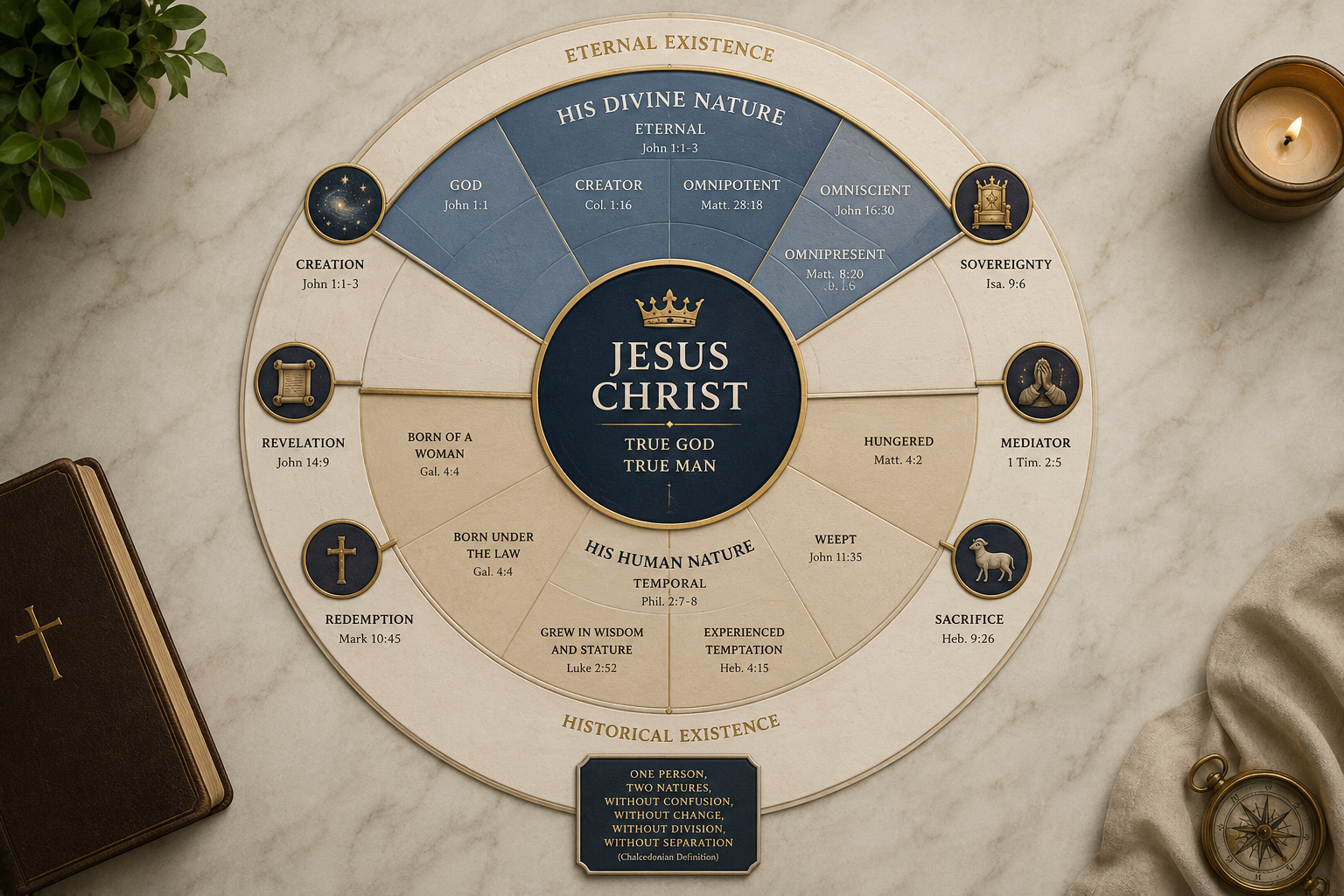
CHRISTOLOGY FROM ABOVE
One of the oldest false Christology theory is “Low Christology.” It is also known as the “Evolutionary Model.” Initially proposed by the Religionsgeschichtliche Schule, especially Wilhelm Boussets’ influential Kyrios Christos (1913). One of the New Testament textual criticism scholars, Bart Ehrman also supports this “Evolutionary model.” He explains that Jesus’ identity on earth began with a human Jesus who later became divine, and he explains that this would have happened after Jesus’ resurrection or during Jesus’ Baptism. Bart explains that “Jesus was understood to have been a human, a full flesh-and-blood man, who came to be exalted and glorified by God and so raised to the rank of the divine, therefore, the Christology begins among the humanity down here on the earth and is known as a Low Christology.” Bart Ehrman holds this view because he understands that Jesus never knew that he was more than a human being. Wolfhart Pannerberg in his book “Jesus God And Man” also holds the view of the “Evolutionary Model.”
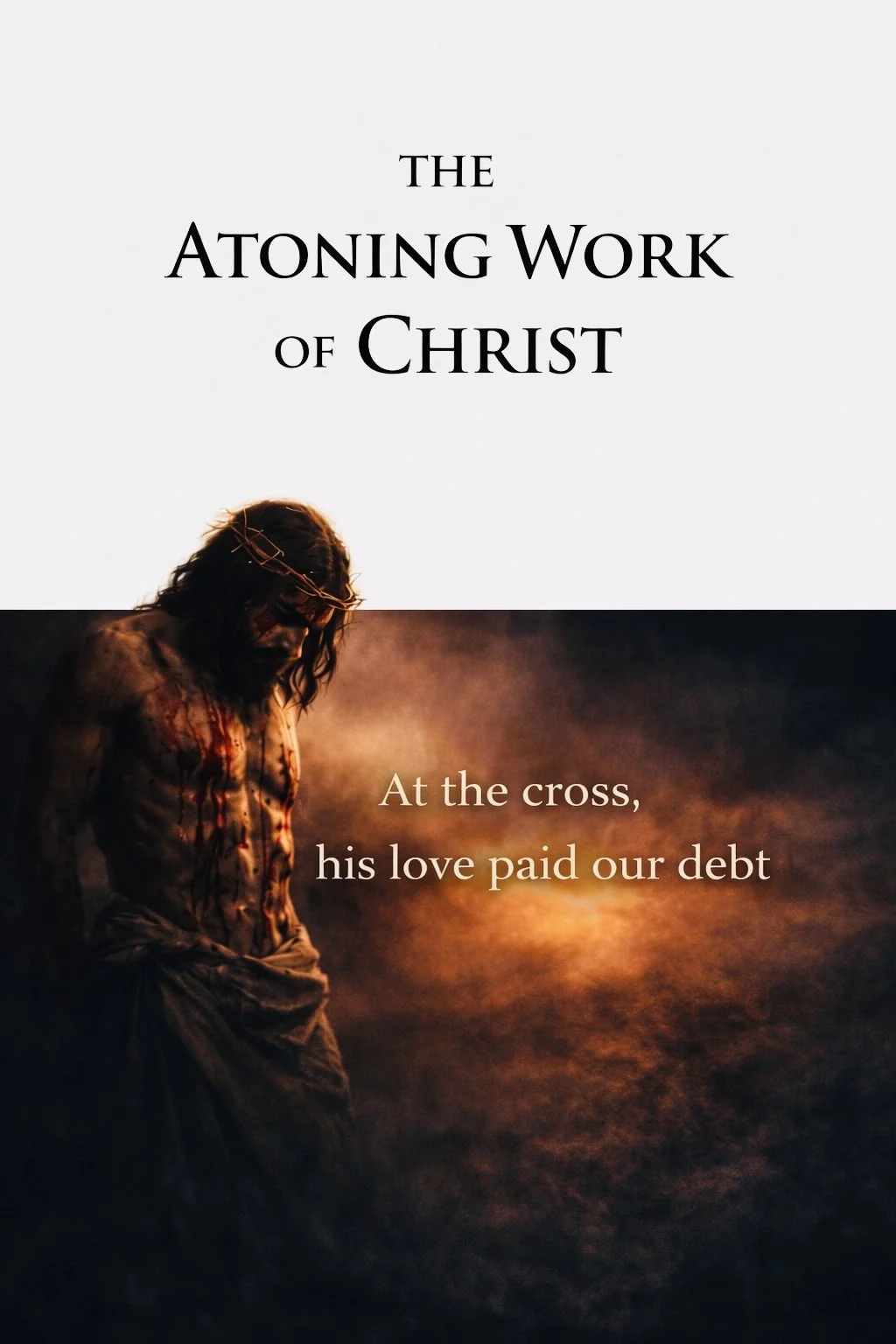
SOTERIOLOGY
Jesus’ crucifixion should be biblically concluded as a propitiation for the whole world without exception. Therefore, the doctrine of Limited Atonement should be considered incompatible with Jesus Christ's free offer for all humanity to be saved by believing in Jesus Christ as their Lord and Savior of the world. The Gospel that leads to salvation should be understood as Unlimited Atonement, an offer of salvation for all humanity.
It is biblically evident that we must have a church government structure to fully benefit the church. Having no church government will not help the congregation to grow mature in Christ. Every person has different giftings, therefore, responsibilities should be delegated accordingly to use individual giftings to benefit the whole congregation.
ECCLESIOLOGY


CHRISTIAN SPIRTUALITY
In our contemporary global Christian context, we may encounter the perspective of "Messy Spirituality" (Mike Yaconelli, Book Title). This perspective suggests that sinful lifestyles are an ongoing part of Christian life until believers are completely glorified in their new heavenly bodies. But would this perspective of Messy Spirituality be the right narrative to accept in our Earthly Spirituality? Would it be spiritually right to keep living under the bondages of ongoing sinfulness or addictions without recognizing the need to break those patterns? Shouldn't we work out our salvation (Phil 2:12 ESV) by breaking the wrong sinful patterns inherited from our old sinful nature?

Jesus, in his most famous sermon, spoke about hell, which is Gehenna, the Valley of Hinnom, a place where human sacrifices were made to the Ammonite god Molech during the reigns of Ahaz and Manasseh. So, Jesus used this well-known designation for hell so that when he mentioned Gehenna, his audience would understand that he was figuratively explaining the destiny of the wicked.